
Conquer Any Hill: The Best Gear & Clothing for Effortless Trekking……..
Conquering steep hills is not just about having the will to do it. It takes the right kind of gear and apparel. Right preparation can turn a really grueling uphill battle into a rewarding and enjoyable experience. With this guide, you are better equipped to make the right choice of optimal trekking clothing and equipment to make the next hill climb a success.
Choosing the Right Footwear: Your Foundation for Success

Finding the Perfect Fit: Importance of Proper Sizing and Support
Wearing poor-fitting shoes may result in blisters, aches, and even grave injuries. According to various studies, about 75% of hiking injuries result from improper footwear. A proper size and fit are critical. Brands such as Salomon and Merrell provide supportive hiking boots for every foot shape. Try different styles before buying and ensure they offer enough support.
Trekking Poles: Enhancing Stability and Reducing Strain
Trekking will definitely remove any stress you’ll put on your knees and feel more stable over uneven lands when using the trekking poles. It works due to the fact that you distribute some of the weight, with the upper part of your body helping assist in doing it. Some popular brands to consider for this type are Black Diamond and Leki. You can either go carbon fiber for something strong that includes the light feature, or perhaps aluminum for extra strength that goes easy on your pockets.
Waterproofing and Breathability: Protecting Your Feet in All Conditions
Waterproof and breathable membranes like Gore-Tex let the moisture out while keeping the feet dry. This is an indispensable feature in wet or unpredictable weather. Such regular care as cleaning and proper conditioners keeps the boots waterproof for a long time. For example, during a rainy day hiking in the Pacific Northwest, waterproof boots may well mean the difference between a comfortable trek and getting socks soaked.
Layering Up: Mastering the Art of Trekking Clothing
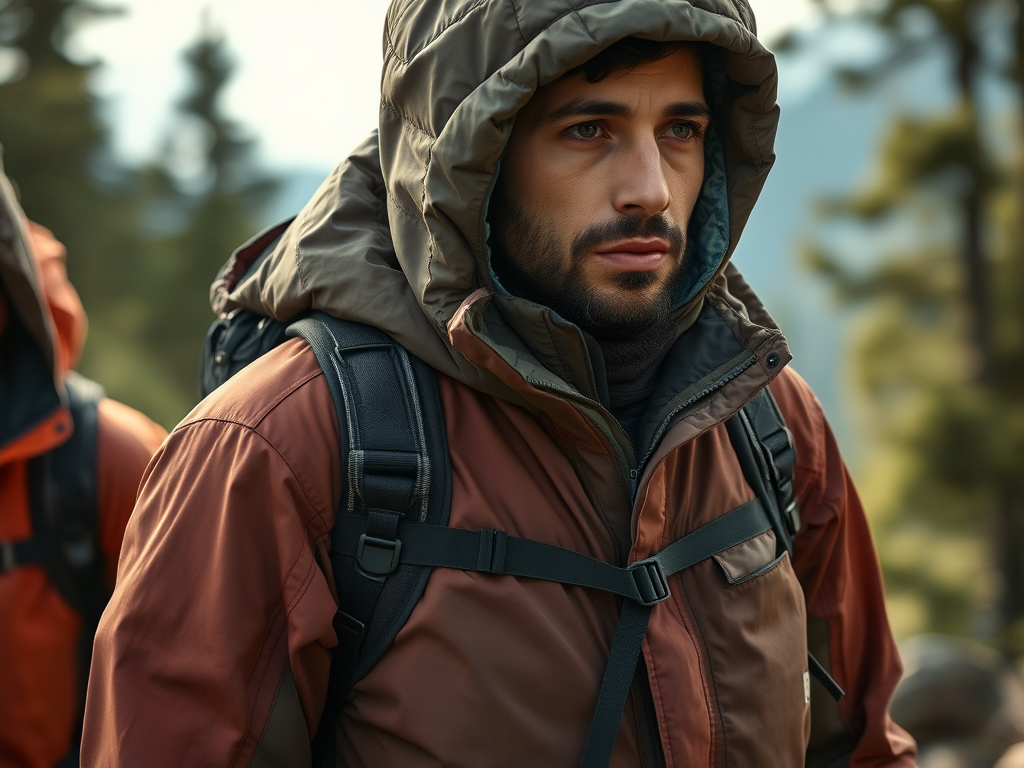
Layering Up: Mastering the Art of Trekking Clothing
A good base layer is merino wool or synthetic material that keeps moisture away from your skin. It’s comfortable and warm. Brands like Smartwool and Patagonia specialize in base layers. According to expert mountaineer Jim Whitaker, “Layering properly can make or break an outdoor experience.” Quality base layers pay for themselves.
Mid-Layers: Insulation and Temperature Regulation
Mid-layers, such as fleece or lightweight down jackets, provide the insulation. Brands like The North Face and Columbia will offer excellent options. Sometimes, an effective mid-layer can be a game-changer on a chilly day, such as when hiking up in the Rockies, keeping the climb enjoyable despite plummeting temperatures.
Outer Layers: Waterproof and Windproof Protection
An outer layer will keep bad weather out, such as a waterproof and windproof jacket. The outer shell should be selected based on material such as Gore-Tex Pro or durable nylon. Climber Reinhold Messner says that “the right gear makes the climb possible.” Don’t forget your outer layers-they are crucial to comfort.
Essential Accessories for a Smooth Climb
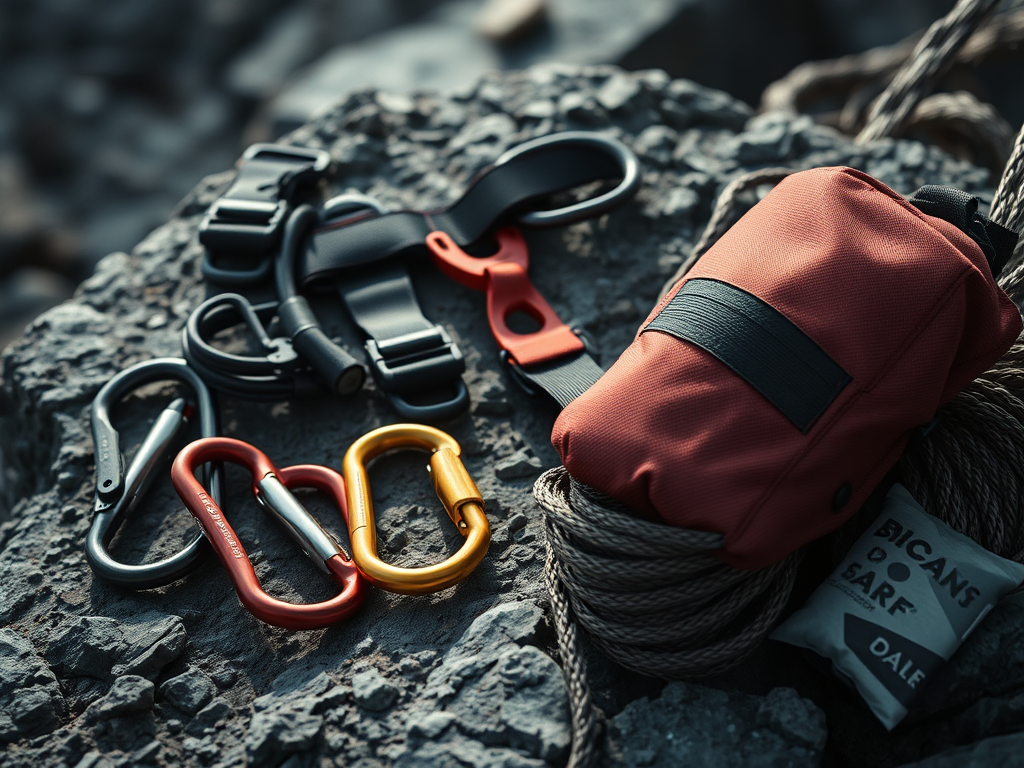
Backpack Selection: Capacity and Comfort for Your Needs
The length of the hike determines a backpack size. A day pack, 20-30 liters, is okay for short treks; a multi-day pack, 50+ liters, is perfect for longer adventures. A padded hip belt and adjustable straps are an added comfort. For example, the Deuter backpack was the best thing a guy had on a two-day trek in the Andes because it offered lots of storage and comfort.
Hydration Strategies: Staying Hydrated on the Trail
Hydration is key to keeping energy levels high on climbs. Consider hydration packs for hands-free drinking, or stick with traditional water bottles. Brands like CamelBak provide packs with different capacities. Research shows that even minor dehydration can impair performance, making hydration essential.
Sun Protection: Shielding Yourself from the Elements
Protect the self one way: if a sunny climate, protect oneself from the sun. Wear wide-brimmed hats. Use UV-blocking sunglasses. Slather on sunscreens containing SPF of at least 30. “At higher altitudes, the increased altitude can be problematic as the sun’s rays carry more energy,” notes Dr. Andrew H. Miller, MD, a dermatologist. Never hurt your skin; never hurt your favorite toy.
Navigating the Terrain: Tools for Safe Trekking
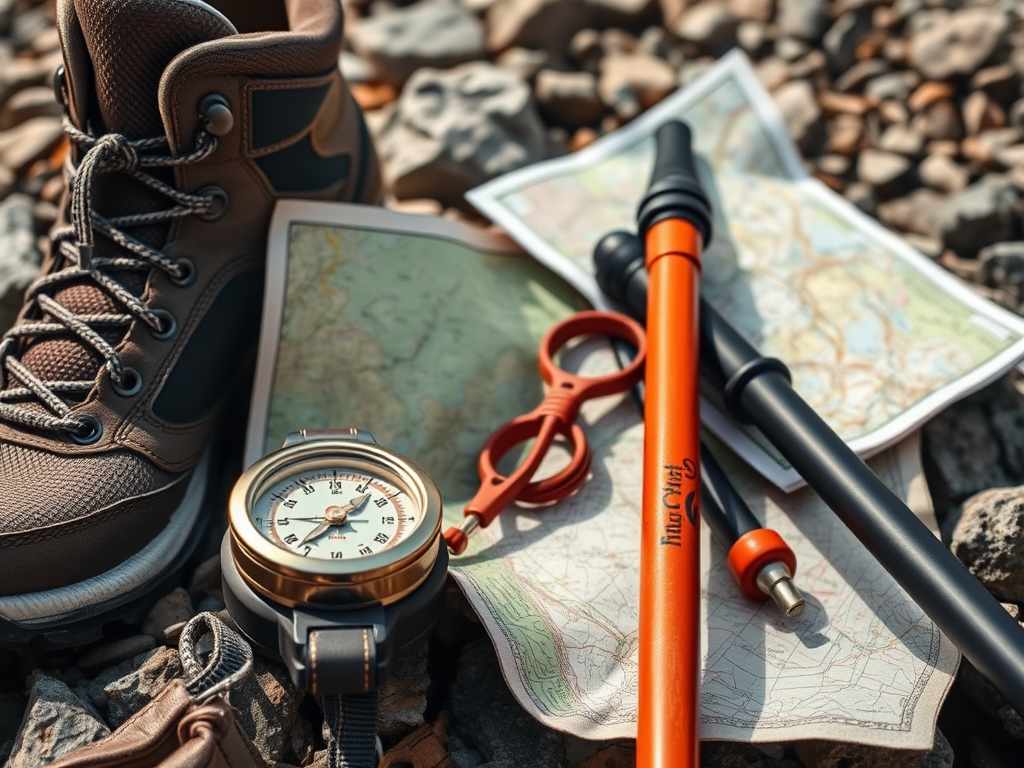
Map and Compass Navigation: Essential Skills for Wilderness Hiking
Knowing how to use a topographic map and compass will prevent getting lost in the wilderness. Plan your route before the hike, and be familiar with landmarks. For instance, a group of hikers going on the Appalachian Trail became familiar with a well-studied map that saved them from a detour.
Trekking GPS Devices: Modern Tools for Navigation
GPS devices and smartphone apps provide an extra layer of security for navigation. Devices like Garmin and apps like AllTrails are popular among hikers. Statistics indicate that around 85% of hikers now use GPS to aid their trekking.
First-Aid Kit Essentials: Preparing for Unexpected Events
An essential first-aid kit includes items like band-aids, antiseptic wipes, gauze, and pain relievers. Knowing basic first-aid techniques can be lifesaving. According to wilderness first-aid expert Dr. John Smith, “Preparedness is key in outdoor settings.” Carry a first-aid kit and know how to use it.
Fueling Your Ascent: Nutrition and Energy Management

Pre-Hike Fuel: Optimizing Energy Levels Before You Start
Consuming a mix of carbohydrates and protein before hitting the trail can enhance your energy. Try oatmeal, bananas, or a protein bar to prepare for your hike. Sports nutritionist Sarah Green suggests, “A good pre-hike meal sets the tone for the whole day.”
Hiking Snacks: Maintaining Energy During the Climb
Snacks like trail mix, energy bars, and dried fruit are great for maintaining energy on the trail. Portion snacks into small bags for convenience. A hiker shared that a well-timed energy bar during a steep ascent significantly boosted her stamina.
Post-Hike Recovery: Replenishing Nutrients After Your Trek
Good intake, specially carbohydrate-protein combined meals with a sandwich that contains a chicken, is needed to replace lost nutrients after the hike. Rehydrating and refuelling properly is what is said by Sports nutritionist James L. for his recommendations on recovery.
Sponsored by
“This Content Sponsored by Buymote Shopping app
BuyMote E-Shopping Application is One of the Online Shopping App
Now Available on Play Store & App Store (Buymote E-Shopping)
Click Below Link and Install Application: https://buymote.shop/links/0f5993744a9213079a6b53e8
Sponsor Content: #buymote #buymoteeshopping #buymoteonline #buymoteshopping #buymoteapplication”
Conclusion: Reaching the Summit with Confidence and Comfort

This guide provides you with comprehensive information on what gear and apparel you would need for a successful hill climb. By focusing on footwear, layering techniques, essential accessories, navigation tools, and fueling strategies, you can turn your next uphill trek into a rewarding and enjoyable experience. Just remember, safety and comfort must always come first to fully appreciate the beauty of the journey.
 General Explorer