
Smart Cities and Urban Mobility: Revolutionizing Transportation in the 21st Century
The urban mobility crisis demands urgent attention. Cities worldwide are struggling with congestion, pollution, and inefficient transportation systems. However, smart cities offer promising solutions to these pressing challenges.
The Growing Pains of Urbanization: Congestion, Pollution, and Inefficiency
As more people flock to urban areas, traffic jams and air pollution have become common problems. Cities must accommodate increasing populations while managing the environmental impact of transportation. Congestion leads to wasted time and stress, while pollution harms both health and the planet.
The Rise of Smart Cities: A Technological Response to Urban Challenges
Smart cities use technology to create efficient urban environments. They leverage digital tools to enhance transportation, making it more sustainable and accessible. These initiatives aim to improve the quality of life for citizens while addressing the challenges of modern urbanization.
Defining Smart City Initiatives: Data-Driven Solutions for Better Transportation
Smart city strategies focus on data-driven approaches. By analyzing real-time information, cities can optimize traffic flow, reduce congestion, and enhance public transportation systems. These initiatives rely on collaboration between local governments, tech companies, and citizens.
The Pillars of Smart City Transportation: Key Technologies and Innovations
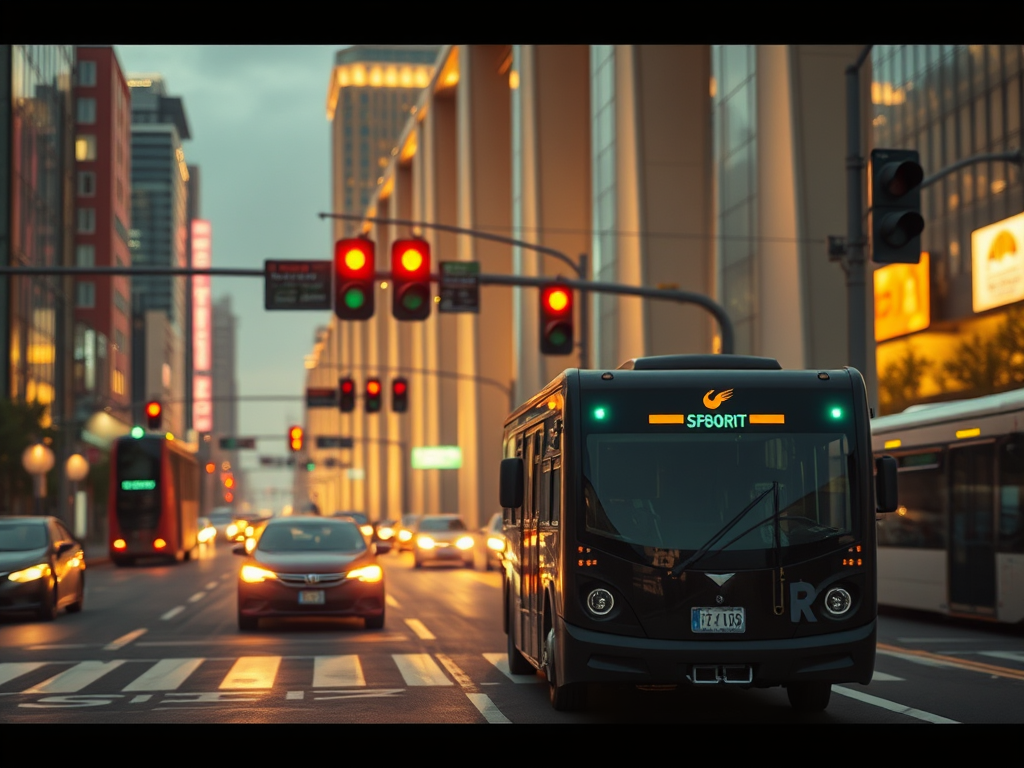
Intelligent Transportation Systems (ITS): Optimizing Traffic Flow and Reducing Congestion
Cities are adopting Intelligent Transportation Systems (ITS) to improve mobility. These systems analyze data to minimize congestion.
- Real-World Examples:
- Singapore employs real-time traffic monitoring to manage vehicle flow.
- Amsterdam uses smart traffic lights that adapt to real-time conditions.
Data Analysis and Predictive Modeling for Traffic Management
Data analysis plays a crucial role in understanding traffic patterns. Cities collect information from sensors and GPS to create predictive models. This helps in forecasting potential congestion and planning accordingly.
Smart Parking Solutions: Addressing Parking Shortages and Improving Accessibility
Finding a parking space can be a major headache. Smart parking technology offers solutions to this dilemma.
- Sensor-Based Systems: These guide drivers to available spaces, reducing search time.
- Dynamic Pricing: Adjusts parking fees based on demand, encouraging efficient use.
Electrification and Alternative Transportation Modes: Promoting Sustainability
Sustainable transportation is vital for the future. The growth of electric vehicles (EVs) is reshaping urban mobility.
- EV Charging Infrastructure: Cities are expanding charging facilities to support electric vehicles.
- Integrated Transportation Systems: Bike-sharing and ride-sharing programs complement public transport.
Data-Driven Insights: Harnessing the Power of Big Data for Better Urban Mobility
Real-Time Data Collection and Analysis: Understanding Traffic Patterns and Passenger Behavior
Sensors and GPS technology gather real-time data, allowing cities to monitor traffic.
- Cities like Los Angeles leverage mobile phone data for transportation planning.
- Real-time updates let commuters make informed travel choices.
Predictive Modeling and Simulation: Anticipating Future Transportation Needs
Artificial intelligence (AI) can predict traffic trends, helping cities prepare for future demands.
- AI analyzes patterns to optimize routes and reduce congestion.
- Scenario planning helps leaders envision future infrastructure needs.
Data Visualization and Communication: Making Transportation Data Accessible to Citizens
Open data initiatives allow citizens to access traffic information easily.
- User-friendly dashboards display real-time data for commuters.
- Engagement platforms encourage feedback, fostering community involvement.
Sponsored By
“This Content Sponsored by Buymote Shopping app
BuyMote E-Shopping Application is One of the Online Shopping App
Now Available on Play Store & App Store (Buymote E-Shopping)
Click Below Link and Install Application: https://buymote.shop/links/0f5993744a9213079a6b53e8
Sponsor Content: #buymote #buymoteeshopping #buymoteonline #buymoteshopping #buymoteapplication”
Challenges and Obstacles in Implementing Smart City Transportation Solutions
Data Privacy and Security Concerns: Safeguarding Citizen Information
With increased data collection comes the responsibility of protecting it.
- Public concerns about privacy must be addressed through transparency.
- Best practices for data protection include anonymizing data and using secure systems.
High Initial Investment Costs: Funding Smart City Infrastructure Projects
Developing smart city infrastructure can be costly.
- Public-private partnerships help share the financial burden.
- Creative financing strategies attract investors to fund projects.
Integration Challenges: Interoperability of Different Systems
A key challenge is ensuring various systems work together.
- Seamless communication between transportation methods is essential.
- Standardizing technologies promotes efficient data exchange.
Case Studies: Examining Successful Smart City Transportation Initiatives
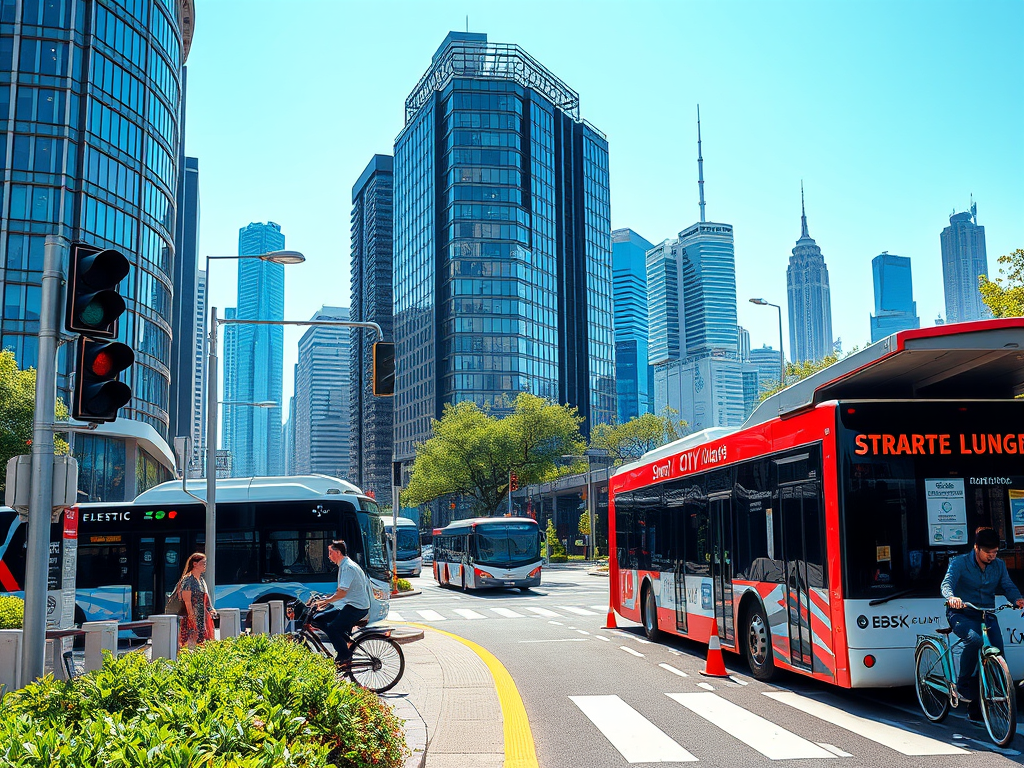
Amsterdam’s Smart Mobility Strategy: A Focus on Cycling and Public Transportation
Amsterdam is a model for smart mobility, focusing on bike usage and public transport.
- Initiatives promote cycling as a primary transportation mode.
- Lessons from Amsterdam highlight the importance of community engagement.
Singapore’s Integrated Transportation System: Utilizing Technology for Seamless Travel
Singapore’s approach emphasizes a user-friendly travel experience.
- Advanced systems ensure smooth connections between different transport modes.
- Investments in technology have paid off through improved efficiency.
Other Successful Examples of Smart City Initiatives: Barcelona, Copenhagen, etc.
Cities like Barcelona and Copenhagen also excel in smart transportation solutions.
- Innovative strategies focus on sustainability and accessibility.
- Cross-city collaboration enhances best practices.
The Future of Smart Cities and Urban Mobility: Trends and Predictions
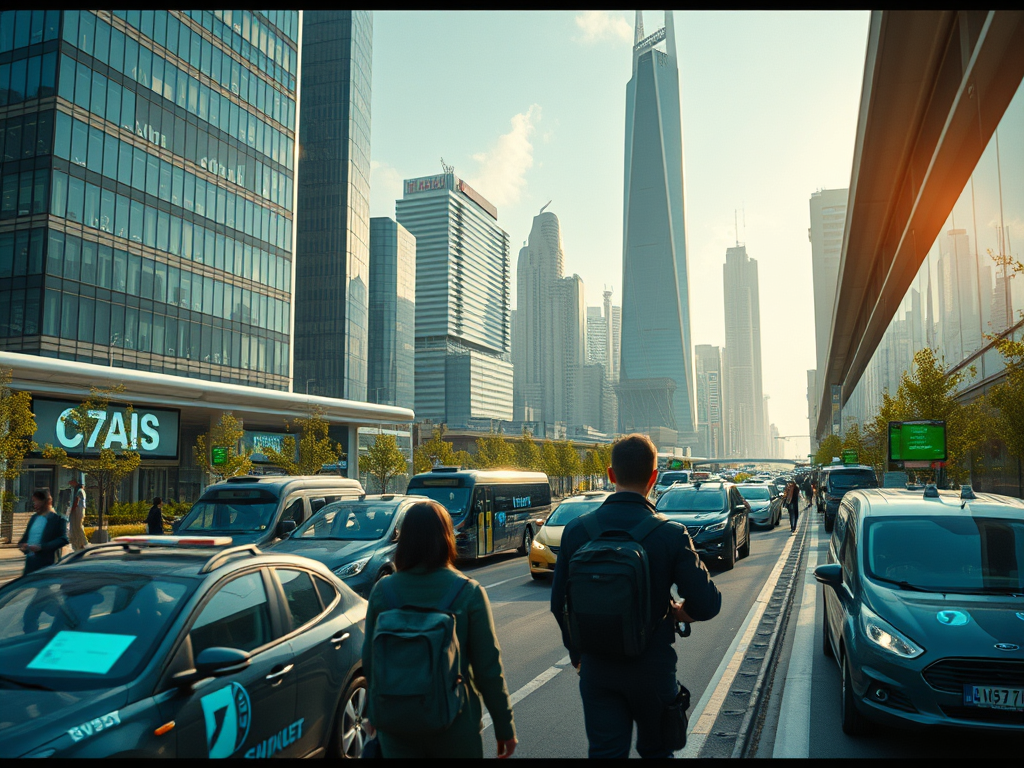
The Role of Autonomous Vehicles in Transforming Urban Transportation
Autonomous vehicles (AVs) could redefine urban transport.
- Potential benefits include reduced traffic accidents and improved flow.
- Integration poses challenges, including regulatory and technical hurdles.
The Growing Importance of Sustainable Transportation Solutions
Sustainability will drive future transportation policies.
- Emphasis on electric vehicles and public transit must increase.
- Cities should adopt green policies to promote eco-friendly options.
Actionable Tips for Cities Embracing Smart Transportation Solutions
- Invest in smart infrastructure for better connectivity.
- Encourage public participation in planning processes.
Conclusion: Embracing Smart City Strategies for a Sustainable Urban Future
Smart city initiatives can revolutionize urban mobility. While challenges exist, the benefits far outweigh them. By prioritizing sustainable transportation and leveraging technology, cities can create efficient, livable spaces.
Encouraging cities to adopt these strategies will pave the way for a cleaner, more efficient urban future. As we look ahead, the possibilities for smart cities and urban mobility are vast and exciting.
 General Explorer