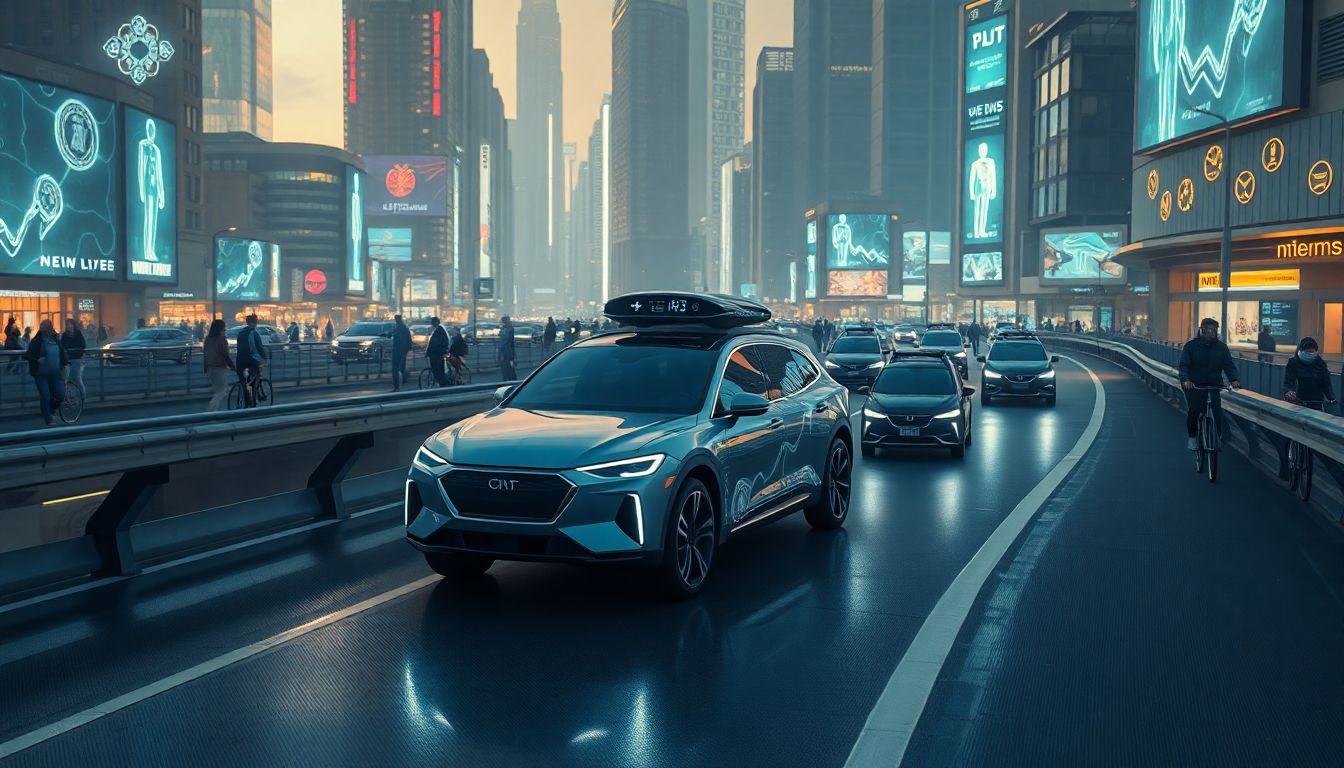
The Ethics of Self-Driving Cars: Navigating the Moral Maze of Autonomous Vehicles
The rise of autonomous vehicles brings exciting prospects, but they also create complex ethical dilemmas. Governments, tech companies, and society at large must wrestle with questions of morality and technology. These discussions shape the future of transportation and influence how we navigate public policy, personal safety, and social implications.
Introduction: The Looming Ethical Dilemma of Autonomous Vehicles
The Promise and Peril of Self-Driving Cars: A Technological Revolution
Self-driving cars have the potential to reduce accidents, lower traffic congestion, and provide mobility for those unable to drive. Yet, the technology raises concerns about safety, privacy, and ethical decision-making. How will these vehicles respond in a crisis? Will they prioritize the safety of passengers over pedestrians? Society stands on the brink of a significant shift, balancing innovation with responsibility.
The Trolley Problem on Wheels: Exploring the Moral Quandaries of Algorithmic Decision-Making
The famous trolley problem illustrates ethical dilemmas. If a vehicle must choose between harming one person or allowing a greater number to suffer, how should it decide? These questions are not just theoretical; they influence programming decisions. Engineers must navigate these moral waters while ensuring the safety and trust of users.
Setting the Stage: Defining the Scope of Ethical Considerations in Autonomous Vehicle Development
Ethical concerns extend beyond the algorithms behind the cars. They involve economic factors, regulatory issues, and societal impact. The development of autonomous vehicles calls for a robust framework to address these complex challenges.
Defining the Ethical Frameworks for Autonomous Vehicles

Utilitarianism vs. Deontology: Weighing the Moral Implications of Algorithmic Choices
Two primary ethical frameworks often arise in discussions about autonomous vehicles: utilitarianism and deontology. Utilitarianism focuses on outcomes and the greatest good for the most people, while deontology emphasizes duty and rules. Each framework offers different insights into how self-driving technology should operate.
The Role of Transparency and Accountability in Autonomous Vehicle Design
Transparency is essential. Developers must be open about how decisions are made. Users deserve to know how their cars will behave in various situations, fostering trust. Accountability also plays a critical role. When accidents happen, who is responsible? Clarity in these areas can prevent uncertainty and fear.
Establishing Legal and Regulatory Frameworks for Autonomous Vehicles: A Global Perspective
A global approach to regulation is crucial as autonomous vehicles cross borders. Countries must collaborate to create consistent rules. This ensures safety standards are met, and ethical guidelines are followed. Policymakers need to balance innovation with public safety to foster acceptance of this new technology.
The Trolley Problem and Algorithmic Decision-Making in Autonomous Vehicles

Programming Moral Choices: The Challenges of Encoding Ethical Principles into Software
Creating ethical algorithms is complicated. Developers face the challenge of coding moral principles into software. Should a car prioritize a passenger over a pedestrian? Balancing these choices requires extensive ethical discussions and consensus among professionals.
Case Studies: Analyzing Real-World Accidents Involving Autonomous Vehicles
Analyzing accidents involving autonomous vehicles reveals significant insights. Each incident shapes public perception and informs policy changes. Understanding these events helps developers improve systems and enhance safety measures.
The Impact of Data Bias on Algorithmic Decision-Making: Ensuring Fairness and Equity
Data bias poses a major threat. If the data used to train algorithms is biased, the outcomes will be flawed. Ensuring that diverse data sets inform the technology is necessary for fairness, creating equitable solutions for all users.
The Impact of Autonomous Vehicles on Society and the Workforce
Job Displacement and Economic Transition in the Age of Autonomous Vehicles
The introduction of autonomous vehicles raises concerns about job loss in sectors like trucking and delivery. Economic transition strategies must focus on retraining workers for new jobs created by this technology. Policymakers should prepare for these shifts to support those affected.
The Potential for Increased Accessibility and Mobility for Underserved Populations
Autonomous vehicles can greatly improve access to transportation for underserved communities. They offer a chance to enhance mobility for the elderly, disabled, and those without access to traditional transit. This increased accessibility can revolutionize lives and open opportunities.
Reimagining Urban Infrastructure and Transportation Planning
Cities will need to adapt infrastructure to accommodate autonomous vehicles. This may mean redesigning roads, traffic signals, and parking facilities. City planners must consider how to integrate this technology smoothly to enhance urban living.
Sponsored by:
“This Content Sponsored by Buymote Shopping app
BuyMote E-Shopping Application is One of the Online Shopping App
Now Available on Play Store & App Store (Buymote E-Shopping)
Click Below Link and Install Application: https://buymote.shop/links/0f5993744a9213079a6b53e8
Sponsor Content: #buymote #buymoteeshopping #buymoteonline #buymoteshopping #buymoteapplication”
The Role of Technology in Shaping the Future of Transportation

The Evolution of Autonomous Vehicle Technology: From Research to Reality
The journey of autonomous vehicle technology has been remarkable. What started as theoretical research has transformed into practical applications. Continuous advancements in AI, machine learning, and sensor technology will further propel this innovation.
The Integration of Autonomous Vehicles into Existing Transportation Systems
For autonomous vehicles to succeed, they must blend with current transportation networks. This involves coordination with public transit, cycling, and pedestrian traffic. A cohesive approach ensures minimal disruption and enhances overall efficiency.
The Development of Smart Cities and Their Reliance on Autonomous Vehicles
Smart cities are emerging as a direct result of technological advancements, including autonomous vehicles. These cities rely on data-driven infrastructure to improve safety, efficiency, and quality of life. Integrating self-driving cars will be pivotal in achieving these smart goals.
Conclusion: Charting a Course Towards Ethical and Responsible Autonomous Vehicle Development
Key Takeaways: Navigating the Ethical Challenges and Opportunities of Autonomous Vehicles
Autonomous vehicles offer great promise but bring significant ethical challenges. Navigating these dilemmas requires robust discussion, innovative regulatory frameworks, and active public engagement.
Actionable Steps: Promoting Transparency, Accountability, and Public Engagement in Autonomous Vehicle Development
Stakeholders must work together to promote transparency and accountability. Encouraging public discussions about ethical preferences can inform better development practices.
The Future of Transportation: A Vision of Ethical and Sustainable Mobility
The future of transportation hinges on thoughtful technology adoption. By considering ethical implications, we can foster a safer, more inclusive, and sustainable mobility landscape for all.
 General Explorer