A Journey Through Science: Discoveries, Innovations, and the Quest for Knowledge
Introduction
Scientific discoveries shape the world we live in every day. They transform our lives in ways most of us never see coming. From medical breakthroughs to space travel, science fuels progress and sparks curiosity. Understanding how science evolves helps us appreciate our past and prepares us for the future. Join this journey as we explore key discoveries, new innovations, and the endless search for knowledge.
The Evolution of Scientific Discovery: Tracing the Roots of Human Curiosity
The Origins of Science: From Ancient Civilizations to the Enlightenment
Scientists began their journey thousands of years ago. Early peoples in Mesopotamia, Egypt, China, and Greece studied the world around them. They observed, experimented, and developed practices that laid the foundation of science. When the Scientific Revolution arrived in the 16th and 17th centuries, thinkers like Galileo and Newton revolutionized how we understand nature. Their ideas shifted science from guesswork to precise inquiry.
Key Milestones in Scientific History
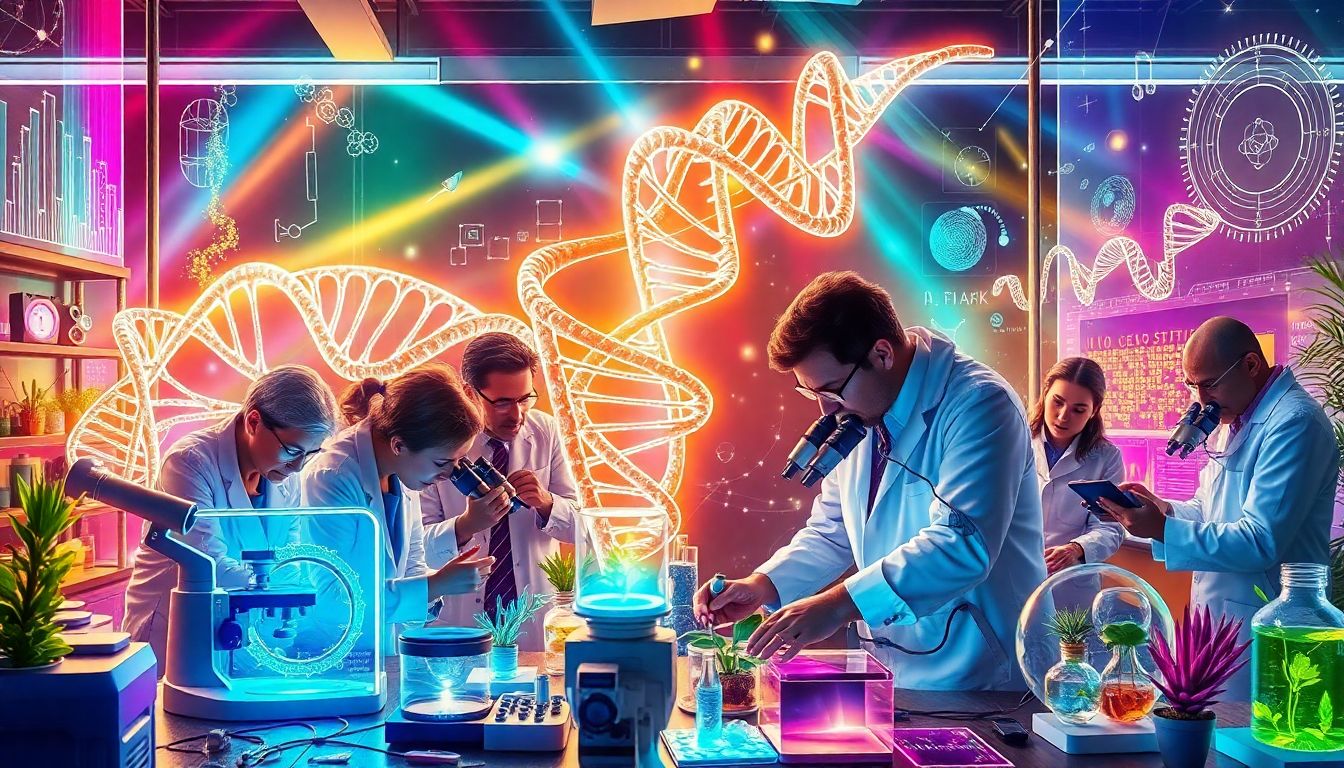
Some discoveries changed everything. The law of gravity explained why apples fall and planets orbit. The heliocentric theory showed the Sun, not Earth, is at the center of our solar system. In the 20th century, scientists uncovered DNA’s structure, revealing how living things pass their traits. Each milestone built on the last, creating our modern understanding of the world.
The Role of Scientific Methodology
Science isn’t just about guesses; it’s built on a process. Hypotheses are tested through experiments. Results are checked and double-checked. This process ensures our knowledge is reliable. Peer review, reproducibility, and skepticism protect science from errors. These steps turn ideas into facts we can trust.
Cutting-Edge Innovations Shaping Our Future

Advances in Medicine and Biotechnology
New tools are transforming healthcare. CRISPR gene editing allows scientists to fix faulty genes. mRNA vaccines, like those used for COVID-19, provide fast protection against diseases. Personalized medicine, which tailors treatment to each person, is becoming more common. These breakthroughs save lives and make medicine more precise.
Technological Innovations in Physics and Space Exploration
Technology keeps pushing the limits. Quantum computers could solve problems current machines can’t handle. Artificial intelligence helps us analyze massive data sets. Space agencies are exploring Mars with rovers, and the James Webb Telescope peeks into distant galaxies. Private companies now fly people to space, making the cosmos more accessible than ever.
Environmental Science and Climate Change Solutions
Scientists develop new ways to protect our Earth. Renewable energy sources like solar and wind are replacing fossil fuels. Carbon capture technology reduces greenhouse gases. Conservation projects help protect endangered species and habitats. Science plays a key role in fighting climate change and building a sustainable future.
Sponsored by:
“This Content Sponsored by Buymote Shopping app
BuyMote E-Shopping Application is One of the Online Shopping App
Now Available on Play Store & App Store (Buymote E-Shopping)
Click Below Link and Install Application: https://buymote.shop/links/0f5993744a9213079a6b53e8
Sponsor Content: #buymote #buymoteeshopping #buymoteonline #buymoteshopping #buymoteapplication”
Modern Challenges and the Frontiers of Scientific Research

Addressing Ethical Dilemmas and Societal Implications
Every new discovery raises questions. Is gene editing safe? Can AI be trusted? Data privacy also concerns us all. Experts in science and ethics work to develop rules. They aim to ensure innovation benefits everyone while avoiding harm.
Interdisciplinary and Collaborative Scientific Endeavors
Today’s science is more connected than ever. Fields like bioinformatics combine biology and computers. Nanotechnology manipulates tiny particles for big effects. Global projects like CERN’s Large Hadron Collider or climate reports by the IPCC unite scientists worldwide. Collaboration accelerates progress.
The Future of Scientific Inquiry
The next big things include synthetic biology, space colonies, and brain-computer interfaces. As mysteries unfold, everyone can play a role—students, teachers, and curious minds. Supporting education and funding keeps the flame of discovery alive for generations to come.
The Impact of Science on Society and Culture
Science as a Driver of Economic and Social Progress
From smartphones to clean energy, science creates jobs and boosts economies. It improves quality of life through better health, smarter cities, and safer transportation. Science also drives education, inspiring the next generation of thinkers and inventors.
Public Engagement and Science Communication
Making science understandable is key. Sharing stories of discovery makes it relatable. Museums, documentaries, and social media bring science closer to everyone. The more we know, the better decisions we make about health, technology, and environment.
Stories of Scientific Resilience and Perseverance
Great discoveries often come after setbacks. Scientists face failures and doubts but keep trying. Their persistence leads to breakthroughs that change everything. Celebrating their stories encourages others to keep exploring despite challenges.
Conclusion
Science is a never-ending journey. Every discovery opens new doors and sparks even more questions. Embracing innovation, asking questions, and staying curious push us forward. Support research, share knowledge, and never stop wondering about the world around you. The next big discovery might be just around the corner. Keep exploring—it’s the key to a better future.
 General Explorer