Ancient Egypt’s Pyramids: Engineering Marvels, Pharaohs’ Tombs, Enduring Mysteries, and Ancient Trade Routes
Introduction
The pyramids of Egypt stand as giant symbols of an ancient world filled with wonder. These huge stone structures hold secrets about Egypt’s past, its people, and their beliefs. For thousands of years, they’ve fascinated everyone from scientists to travelers. How did ancient Egyptians build such massive monuments? What stories do they tell about their rulers? These questions keep scholars busy, trying to piece together the mysteries surrounding these ancient marvels. They’re not just tombs—they’re windows into a rich culture of trade, art, and spiritual beliefs that shaped human history.
The Architectural Marvels of the Pyramids
The Engineering Techniques Behind Pyramid Construction
Building a pyramid was no small task. The Egyptians used clever methods, simple tools, and a lot of teamwork. Large stones, called blocks, were cut from nearby quarries and transported to the site. They likely used ramps made of mud bricks, sand, or stone to move these heavy pieces upward, step by step. Archaeologists have found clues like quarry marks and tools that show how organized the workforce was. Precise alignments with the cardinal points and stars reveal a strong knowledge of astronomy and geometry. These details weren’t accidents—they reflected both engineering skill and religious meaning.
Iconic Pyramids and Their Characteristics
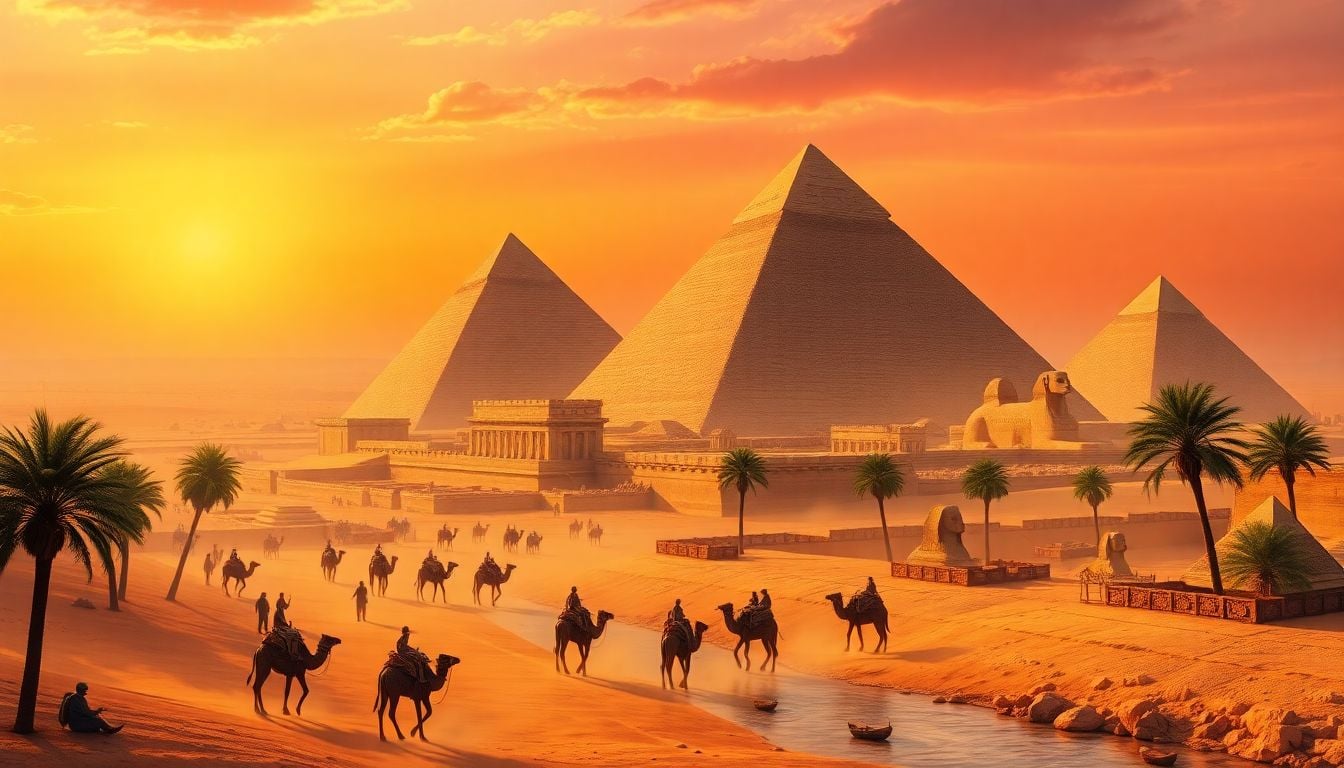
The most famous pyramid, the Great Pyramid at Giza, was built for Pharaoh Khufu. It took roughly 20 years to complete. This giant structure originally reached 481 feet tall—that’s taller than most skyscrapers today. The pyramid was designed with millions of limestone blocks, carefully fitted without mortar. Alongside Khufu’s pyramid, you find others like Khafre’s and Menkaure’s, each smaller but equally impressive. The Step Pyramid of Djoser is older and shows the transition from a step design to smooth sides. Inside these pyramids are complex chambers, trapdoors, and symbolic carvings meant to guide the king’s soul in the afterlife.
Innovations and Challenges in Pyramid Engineering
From simple step pyramids to smooth-sided ones, Egyptian architecture constantly improved. The challenge was moving enormous stones without modern machinery. Builders had to find ways to keep structures stable and straight for thousands of years. They used clever engineering tricks that still amaze us today. Modern archaeologists continue uncovering new facts about how ancient builders handled these challenges, helping us understand the sophistication behind these giant monuments.
The Pharaonic Tombs: More Than Monuments
Significance of Pyramids as Tombs
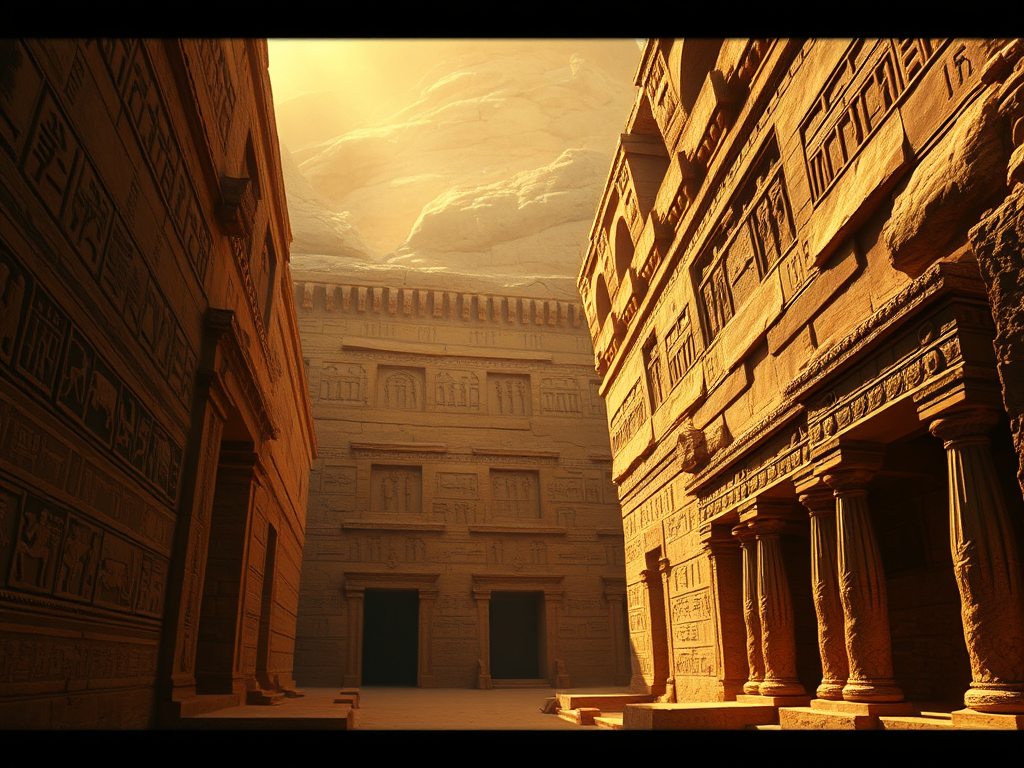
Pyramids weren’t just grand structures—they were images of the afterlife. Egyptians believed life after death was a journey, and the pyramid served as a gateway. They designed tombs with chambers filled with treasures, food, and symbols to help the deceased on their journey. The shape of the pyramid didn’t just look good; it reflected Egypt’s beliefs about the sun and eternity. Many ancient stories connect the pyramid’s design to the cycle of life, death, and rebirth.
Key Pharaohs and Their Tombs
Pharaoh Khufu’s pyramid is the oldest and largest. His tomb held statues, treasures, and inscriptions that told his story. Khafre’s pyramid has a famous neighboring Sphinx, guarding his resting place. Menkaure’s pyramid is smaller but still features beautiful artwork and chambers filled with relics. The Valley of the Kings also became popular later, serving as additional burial sites for new rulers and nobles in hidden tombs carved into the mountains.
Preservation and Discoveries
Over the centuries, many pyramids and tombs suffered from natural wear and looting. Recent excavations have uncovered hidden chambers, mummies, and valuable artifacts. These discoveries constantly reshape what we know about ancient Egyptian burial customs. Preserving these sites is a tough job because exposure to weather and human activity can cause damage. Still, each new find helps us understand Egypt’s rich spiritual and cultural history better.
Enduring Mysteries and Theories
Puzzles Surrounding Pyramid Construction
Despite all we know, many questions remain. How exactly did Egyptians move such huge stones? Did they use ramps, levers, or some yet-unknown method? Also, are there secret chambers sealed inside these giant structures? Some theories suggest hidden rooms hiding treasures or ancient writings. The exact process of organizing thousands of workers, many of whom might have been slaves or skilled laborers, is still debated.
Symbolism and Cultural Significance
The pyramid’s alignment with stars and solar cycles isn’t accidental. Some scholars believe these alignments link to gods like Ra or Osiris. Hieroglyphs and murals inside tombs tell stories of divine beings and spiritual journeys. The pyramids reflect Egypt’s view of the cosmos—everything had a reason rooted in religion and mythology. They weren’t just tombs but symbols of order, balance, and eternity.
Modern Scientific Investigations
Today, scientists use technology like ground-penetrating radar, drones, and 3D imaging to peek inside these ancient structures without causing harm. Experts like Zahi Hawass and his team harness such tools to locate hidden chambers or restore damaged parts. Ongoing studies lead us closer to understanding how these pyramids were built and what secrets they still hold. Every discovery fuels new debates and ideas about Egypt’s past.
Ancient Trade Routes and Cultural Exchange
Trade Networks Facilitating Egypt’s Prosperity
Egypt’s power wasn’t just from farming or armies but also from trade. Major routes connected Egypt with Africa, the Levant, and beyond. Boats along the Nile carried gold, papyrus, and luxury goods downriver. Overland routes linked Egypt to cities in modern-day Lebanon, Syria, and Nubia. These trade paths made Egypt wealthy and helped spread ideas and customs across regions.
Cultural Interactions Influencing Egyptian Society
Trade wasn’t only about goods. Egyptians exchanged styles, beliefs, and technologies. Artistic influences appear in jewelry and sculptures from neighboring lands. Religious ideas, like new gods or rituals, traveled along trade routes. Egyptian hieroglyphs also borrowed symbols from other cultures, making their language richer and more complex. This mix created a vibrant society that was both uniquely Egyptian and globally connected.
Sponsored by:
“This Content Sponsored by Buymote Shopping app
BuyMote E-Shopping Application is One of the Online Shopping App
Now Available on Play Store & App Store (Buymote E-Shopping)
Click Below Link and Install Application: https://buymote.shop/links/0f5993744a9213079a6b53e8
Sponsor Content: #buymote #buymoteeshopping #buymoteonline #buymoteshopping #buymoteapplication”
Archaeological Evidence of Trade and Diplomacy
Archaeologists found artifacts from places like Punt (ancient Ethiopia) and Byblos in modern Lebanon, confirming Egypt’s trade links. Diplomatic letters from these regions suggest ongoing alliances and exchanges. Maps drawn on ancient pottery show trade routes, and ships with advanced sails and navigation tools hint at Egypt’s maritime skills. These evidences prove that Egypt’s influence stretched far beyond its borders.
Conclusion
The pyramids of Egypt are proof of human ingenuity and spiritual beliefs. These engineering marvels served as tombs for powerful kings and continue to fill us with awe. Their construction reveals advanced tools and planning, while their hidden secrets keep scholars curious. Egypt’s trade routes and cultural exchanges helped create a vibrant society that left a lasting mark on history. As new discoveries come to light, our understanding deepens. Preserving these ancient treasures isn’t just about protecting stone structures but safeguarding an incredible story of human achievement for generations to come.
 General Explorer